01 / Field notes
A meadow after flowering
Seed heads, dry stems, and the quieter half of the growing season.
Read the note →Notes on leaves, ordinary objects, and the details that are easy to walk past.
Browse the notebook ↓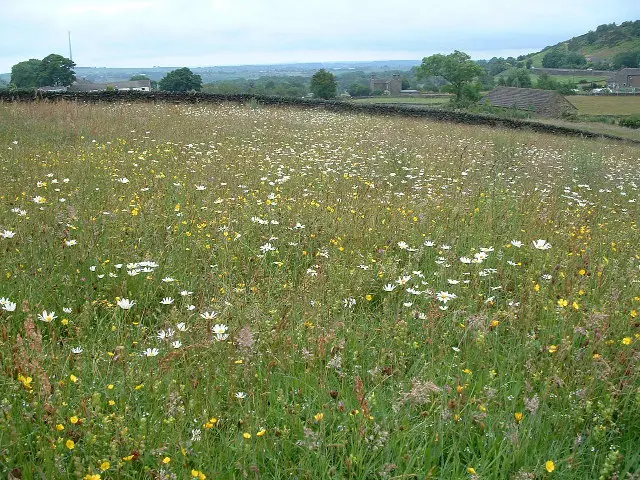
Seed heads, dry stems, and the quieter half of the growing season.
Read the note →A few ways to leave enough space for an unfinished thought.
Read the note →Light changes a room without adding anything to it.
Read the note →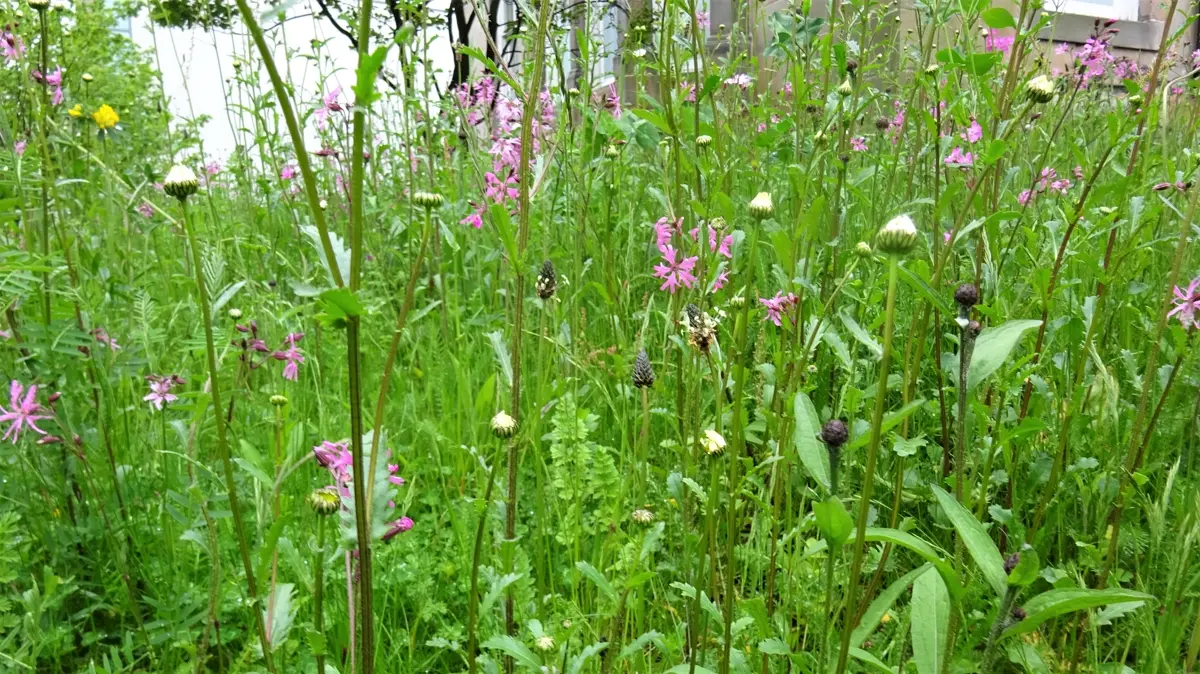
A boardwalk follows the wetland beside Pärnu beach in Estonia. From above, paths and pools divide the grass into shapes that are harder to see at ground level.
A meadow does not become empty when the flowers fade. The bright patches give way to a finer pattern: grass stems, curled leaves, and seed heads that catch the light at their edges.
Try looking at one small patch rather than the whole field. Notice which stems stand upright and which bend. A seed head may look solid from a distance, then almost transparent when you move a few steps to the side.
A drawing need not identify every plant. A few lines can record the spacing between them, or the way the taller stems lean together. That is enough for a page.
↑ Back to the notebookA useful notebook has room for corrections. Leave a margin for a later observation, and enough space below a sketch to add the detail you missed.
Write down the particular thing before the general idea: a pale underside, three torn edges, a shadow that reaches the rim of a cup. These details give you something to return to.
There is no need to finish a page in one sitting. A question, a measurement, or an uncertain outline can hold its place until the next look.
↑ Back to the notebookBegin with the outline. Does the leaf widen near its base or near its tip? Is the edge smooth, toothed, or divided into lobes? Then follow the central vein out toward the smaller branches.
Compare two leaves from the same plant. Their proportions may differ more than expected. One may have grown in shade, another in a brighter position; an old leaf may carry damage that the newer one does not.
A plant name helps organize observations, but it does not replace them. Keep the description beside the name, especially when the identification is uncertain.
↑ Back to the notebookA windowsill offers a small place to study changing light. Put a plain object there: a bowl, a folded sheet of paper, or a stone. Watch where its shadow ends.
On an overcast day, the edge softens. In direct sun, small scratches and folds become easier to see. The object stays the same, but a sketch made an hour later can look quite different.
Keep the arrangement simple. It is easier to notice a change when there are fewer things competing for attention.
↑ Back to the notebookMeadowfolio collects short notes about plants, paper, and ordinary surroundings. The pages are small studies rather than finished guides: things to look at, questions to keep, and ideas to try with a pencil. There are no accounts, comments, or tracking scripts here.
Selected photographs and film from Wikimedia Commons, hosted here locally. These works belong to their credited creators; they are not presented as the notebook author's own photography.
The adapted photographs, video excerpt, and poster remain available under their respective ShareAlike licenses linked above.

